Distribution of essentials
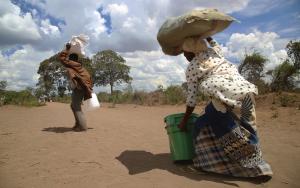
Mozambique: "It's extremely volatile - with people moving both to flee violence and return home"
Paulo Milanesio is a project coordinator for Médecins Sans Frontières/Doctors without Borders (MSF) in Mueda, a town in the north of the Mozambican province of Cabo Delgado, where hundreds of thousands of people have sought refuge from ongoing conflict. Interview - 21 Dec 2021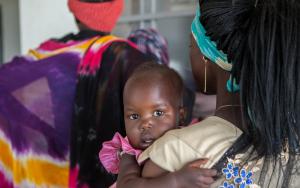
Malnutrition
Sudan: MSF leaves lasting legacy of a hospital for the community in White Nile state
This month, MSF is handing over its medical activities in White Nile state, including Al-Kashafa hospital, to the Sudanese Ministry of Health. Article - 20 Dec 2021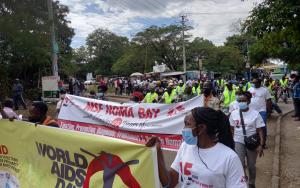
HIV/AIDS
25 years of providing HIV/AIDS care in Homa Bay, Kenya
We look back at highlights from a quarter-century of medical action in Homa Bay. Photo Story - 1 Dec 2021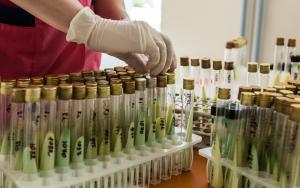
Tuberculosis
Innovative worldwide clinical trial for multidrug - resistant tuberculosis completes enrollment
New clinical trial compares five new treatment regimens for treating MDR-TB containing two of the three new TB drugs developed in recent years, bedaquiline and delamanid, in combination with other existing oral TB drugs. Press Release - 21 Oct 2021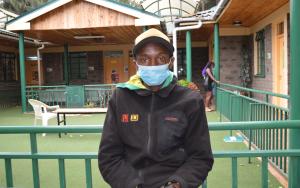
Access to Healthcare
Daring to dream again: John Theuri
John Theuri is a patient at MSF´s Methadone Assisted Therapy (MAT) clinic in Kiambu, set up to reduce harm amongst people who use drugs. Coming to the clinic and getting off heroin has changed his life, allowing him to be welcomed back into his family. In commemoration of the International Overdose Awareness Day, marked annually on August 31st to raise awareness of overdoses, reduce the stigma of drug-related deaths and acknowledge the grief felt by families and friends, John shares his story. Article - 1 Sep 2021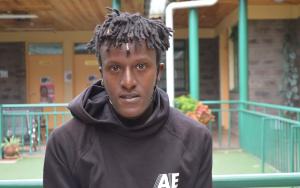
Access to Healthcare
John Mwangi: Drug Abuse, Its effects and the journey to reforming
John Mwangi is a patient at MSF´s Methadone Assisted Therapy (MAT) clinic in Kiambu, set up to reduce harm amongst people who use drugs. Coming to the clinic and getting off heroin has changed his life, allowing him to be welcomed back into his family. In commemoration of the International Overdose Awareness Day, marked annually on August 31st to raise awareness of overdoses, reduce the stigma of drug-related deaths and acknowledge the grief felt by families and friends, John shares his story. Article - 1 Sep 2021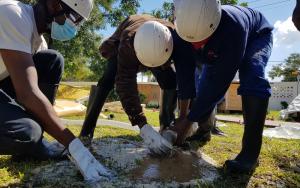
Natural Disasters
From reactive to proactive: how MSF in Beira is stepping up its disaster response preparations
Natural disasters, such as floods, cyclones, drought and earthquakes, have had a significant impact on Mozambique’s people. Cyclone Idai made landfall in the eastern city of Beira, the capital of Sofala province, on 14 March 2019. Within days it had reduced 80 per cent of the city to ruins and left over 600 people dead and more than 1,600 injured. Article - 17 Aug 2021
Hepatitis
Launch of public health partnership to tackle the silent epidemic of hepatitis C in low- and middle-income countries
Hepatitis C PACT will work in Latin America, Asia, Africa, and Eastern Europe –collaborating with ‘champion countries’ that are already revolutionizing hepatitis care Press Release - 28 Jul 2021
Access to Healthcare