Access to Healthcare
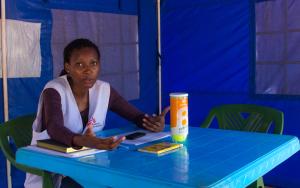
Cameroon: "We are trying to give our patients hope"
Caroline Wawuda Mwakio, from Mombasa, Kenya, recently returned from Cameroon, where she was working as a Mental Health Activity Manager in MSF´s project in the Anglophone area of the country. Here she explains the humanitarian situation in the region, and her work as part of MSF´s response. Stories from the Frontline - 25 Sep 2020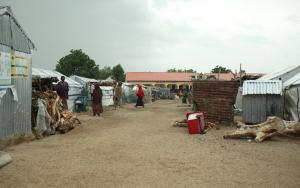
Access to Healthcare
Borno state, Nigeria: “Children can draw an assault rifle better than a football or an animal"
Gwoza, a garrison town in northeast Nigeria’s Borno state, is home to 60,000 people, many of them displaced from their homes elsewhere by the conflict. Living conditions are difficult, there is little humanitarian aid, and frequent clashes take place between the military and armed groups. Many people in Gwoza have witnessed acts of violence or lost loved ones, livelihoods and homes as they fled in search of safety. This includes children, many of whom arrived in Gwoza alone. Kyla Storry, MSF’s mental health activity manager in Gwoza, describes her work helping adults and children cope with their experiences. Stories from the Frontline - 8 Sep 2020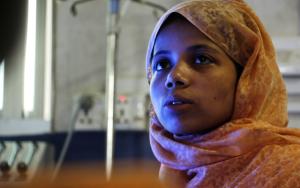
Access to Healthcare
Living in limbo: Rohingya refugees in Bangladesh three years after the main exodus
More than three years since the initial emergency, people are still living in the same overcrowded and basic bamboo shelters, dependent on aid and with little hope for the future. Crisis Update - 25 Aug 2020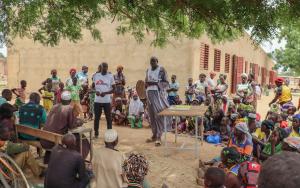
Access to Healthcare
Stories from the Frontline - 21 Aug 2020
Burkina Faso: "It wasn't just COVID-19 we had to respond to"
Abdalla Hussein, has worked for MSF since 2007, in countries including South Sudan, CAR, Yemen, Iraq, Niger and Somalia. He recently returned from Burkina Faso, where he worked as the Head of Mission for three months during the arrival of COVID-19 in the country. Here he shares details about the scale of the humanitarian crisis in the country, even before the pandemic arrived.Stories from the Frontline - 21 Aug 2020
Access to Healthcare
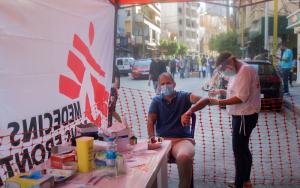
Lebanon: MSF teams providing medical and mental health support to Beirut’s most affected communities
MSF is carrying out an emergency response to provide medical support to the people most impacted by the explosion in Beirut Crisis Update - 12 Aug 2020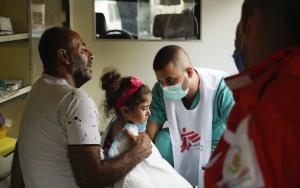
Access to Healthcare
MSF teams working to support Beirut’s health services in the aftermath of the blast
Two days later the death toll is still growing as more bodies are found under the rubble in Lebanon - 7 Aug 2020
Work with MSF
Frequently Asked Questions
We have answered some common questions about working in the field with MSF below.
Work in Field
Mental Health Officer
Our mental health specialists work with people suffering from various levels of distress related to conflict or natural disasters, with survivors of sexual violence or people living with HIV/AIDS.
Crisis Response
Exclusion from Healthcare
In every situation, our teams strive to ensure that we target people who may be overlooked by the authorities or by other aid groups. These might include sex workers, street children, prisoners, drug addicts or the mentally ill.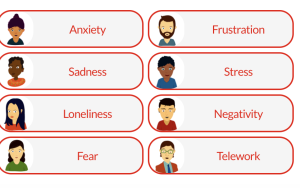
COVID-19 Coronavirus