
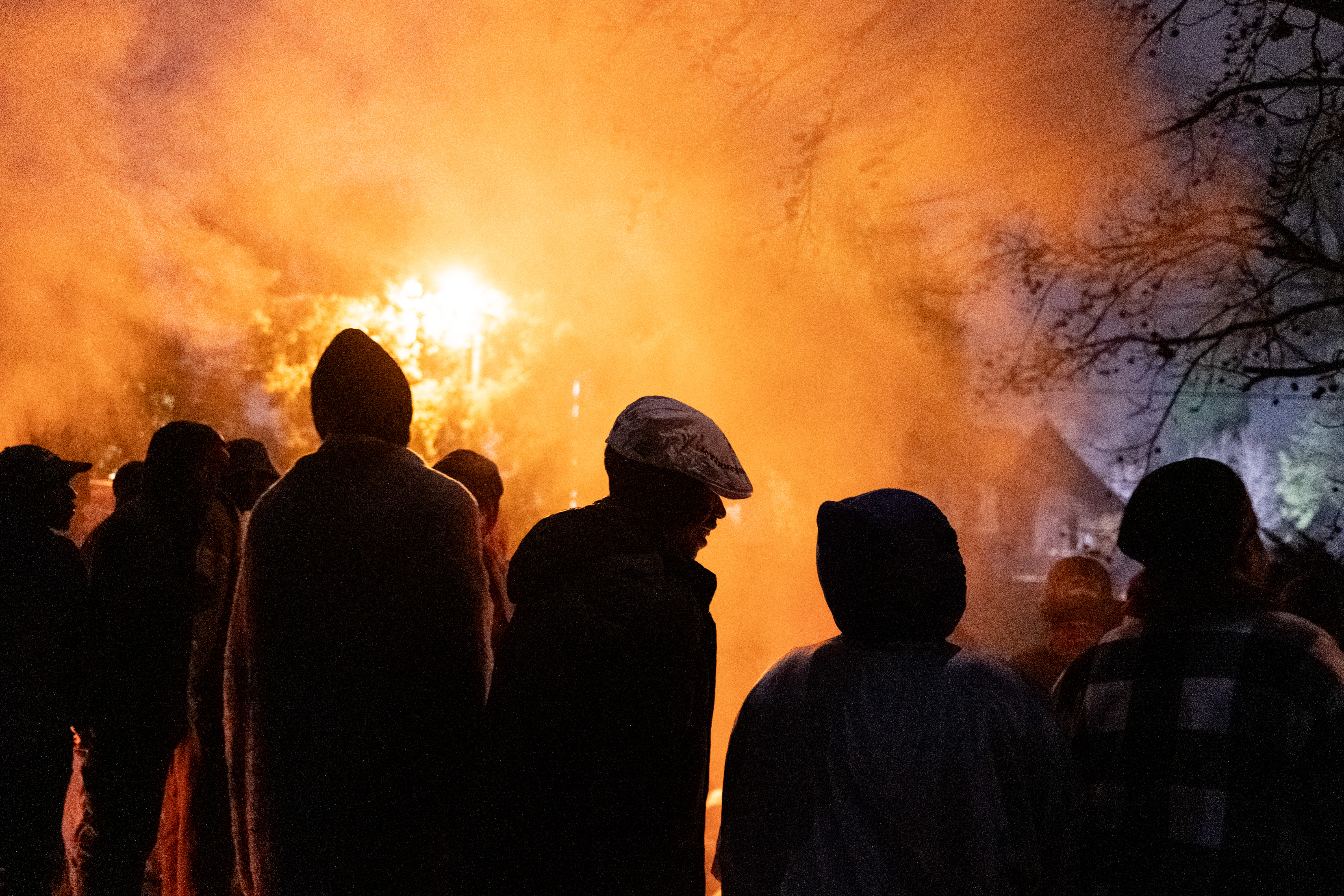
Doctors Without Borders (MSF) has launched an emergency medical humanitarian response following a recent surge in anti-migrant violence and intimidation across South Africa, which has displaced tens of thousands of people and disrupted access to essential healthcare for many affected communities. The violence has reportedly resulted in at least four deaths, numerous injuries and the destruction of homes. MSF teams have been responding to urgent health, protection and dignity needs in Gauteng, KwaZulu-Natal, the Western Cape, and at the South Africa–Zimbabwe border towns of Musina and Beitbridge.

“We are deeply saddened to see people fleeing harassment and violence and we stand in solidarity with affected communities who have had their rights to health and dignity undermined. Our priority is to address disrupted access to healthcare for those most at risk, regardless of who they are or where they come from,” says Claire Waterhouse, MSF Emergency Coordinator. “It’s not over, we are very concerned that this situation is escalating into a humanitarian crisis.”
Anti-migration groups recently issued a public ultimatum for all undocumented migrants to leave the country by the arbitrary deadline of 30 June. While organisers have stated that they are only targeting undocumented migrants, MSF patients indicated that refugees, asylum seekers and documented migrants have also experienced threats, violence and intimidation.
Tens of thousands of people—many from Malawi, Mozambique, Zimbabwe, Nigeria and Ghana—have fled their homes due to fears for their safety and threats to their livelihoods. Displaced people are seeking refuge in parks, churches, consulates, and elsewhere in South Africa, prompting emergency medical humanitarian intervention.
“MSF is particularly concerned about continuity of care for people living with chronic diseases such as diabetes, hypertension, mental health, HIV and TB where lack of treatment or medication interruptions can lead to serious health complications” says MSF nurse Phumla Tsotetsi. “Additionally, we are prioritising the immediate needs of young children, pregnant women, and survivors of violence. We have also treated women who have recently given birth, some with c-section wounds from a few days before the protests that have yet to heal.”

People have fled from all corners of the country, including rural and farming areas. MSF have three teams of up to 10 staff in South Africa who have set up mobile clinics to provide primary healthcare, chronic care, psychological support, first aid, and to distribute essential items including hygiene kits. We are monitoring sanitation management for potential public health risks in areas where displaced people have gathered. MSF teams are also supporting referral pathways to clinics and hospitals for patients requiring further care.
In Cape Town, our medical team consulted with a mother who had recently been evicted by her landlord because she was undocumented. Her young son, who has a rare form of cancer, needed urgent lifesaving chemotherapy. Although he was eventually admitted to hospital, it remains unclear whether the family will be able to remain in South Africa, highlighting the acute vulnerability of many displaced non-South African migrants and the challenges many face in accessing and continuing essential healthcare.
In Johannesburg, our psychologist supported a woman with a pre-existing, diagnosed mental health condition who had been unable to access her medication after fleeing violence. "She was experiencing severe hallucinations and was at risk of self-harm," says Tsotetsi. "Fortunately, our team’s doctor was able to help her restart her medication the same day."
In Musina, an MSF team are urgently scaling up operations to respond to the medical needs of people gathered close to the border. We will continue to work with relevant stakeholders including affected communities, the South African provincial Departments of Health and civil society organisations to adapt our emergency response as the needs evolve.
MSF has provided free medical care to South Africans as well as migrants, asylum seekers and refugees in South Africa and has repeatedly responded to the health impacts of xenophobic violence and barriers to healthcare access, including during major outbreaks of violence in 2008, 2009, 2015 and 2019. Xenophobic violence has recurred in South Africa for more than two decades, often during periods of social and economic tension. The 2008 attacks were the deadliest, killing at least 62 people and displacing more than 100,000.
The Deadliest Wave of Violence
62+ Killed 100,000+ DisplacedMSF has provided free medical care to South Africans as well as migrants, asylum seekers and refugees in South Africa and has repeatedly responded to the health impacts of xenophobic violence and barriers to healthcare access, including during major outbreaks of violence in 2008, 2009, 2015 and 2019. Xenophobic violence has recurred in South Africa for more than two decades, often during periods of social and economic tension. The 2008 attacks were the deadliest, killing at least 62 people and displacing more than 100,000.
Ongoing Instability
Following the massive displacement of 2008, social and economic tensions continued to trigger targeted attacks. During the major outbreaks of 2009, MSF maintained its response, ensuring that displaced populations and vulnerable migrants retained access to crucial medical care despite the hostile environment.
Recurring Outbreaks
As anti-migrant violence swept through parts of the country once again in 2015, the health impacts deepened. MSF teams repeatedly mobilized to respond to the physical trauma and psychological toll on migrants and asylum seekers, stepping in where local healthcare access was severely compromised by the unrest.
Barriers to Healthcare
During the 2019 resurgence of xenophobic violence, physical access to public healthcare facilities became heavily obstructed for non-nationals. MSF actively responded to these barriers, providing necessary medical intervention and highlighting the severe public health risks created when vulnerable groups are blocked from clinics.
Securing the Right to Health
In December 2025, together with other civil society organisations, MSF successfully secured a Gauteng High Court judgment ordering the state to take immediate and decisive action to end the obstruction of physical access to certain public healthcare facilities by anti-migrant groups and some healthcare workers. The judgment reaffirmed that access to healthcare must not be denied on the basis of nationality or immigration status. Protecting access to healthcare is not only a legal obligation, but also a public health imperative which helps protect both individual and community health and prevent outbreaks.
"MSF has worked in the Southern Africa region for decades. Our team in Zimbabwe is responding already and in Mozambique we are assessing the medical humanitarian needs of returning migrants. Contrary to the emerging narrative that the xenophobic action has neither been that violent nor the consequences too catastrophic, affected migrants have shared testimonies with MSF on how badly they have been treated."
Short testimonies of migrants who have been impacted
.


