Conflict in Sudan
“The war on Sudan: the choice is ours”
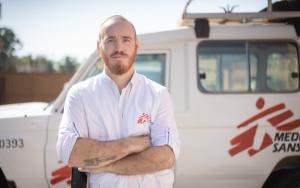
I wrote this poem in Port Sudan in June 2023, when I was inspired by the powerful beauty of Sudan that I fell in love with years ago, and deeply affected by violence spreading across the country since 15 April. Article - 17 Nov 2025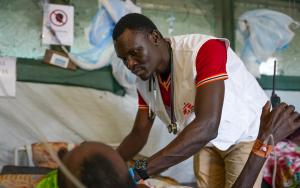
War and conflict
MSF calls for protection of civilians and for unhindered access to all wounded following violence in Adong, Upper Nile State
Médecins Sans Frontières/Doctors Without Borders (MSF) is deeply alarmed by the violence against civilians that erupted in Adong Payam, Upper Nile State, following an attack reportedly carried out by armed groups against the local community on 14th November 2025. Article - 17 Nov 2025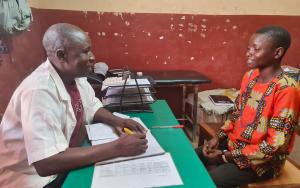
Diabetes
Central African Republic: Living with Diabetes in Carnot
Despite challenges such as the long distances to reach the clinic and the difficulty of obtaining affordable treatment outside of MSF, these stories reflect the hope and resilience of diabetic patients in Carnot. Through education and free access to treatment, MSF is not only improving patients’ lives today but also preparing them to manage their diabetes sustainably in the future. Still, many challenges remain nationwide to ensure that more people can benefit from this kind of support and gain lasting access to the care they need. Article - 17 Nov 2025
Work in Field
Project Pharmacy Manager
Defining, coordinating and monitoring all pharmacy related activities in the project area including management of staff, according to MSF protocols,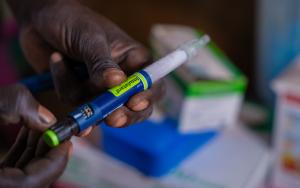
Diabetes
Beyond the clay pots: Children fighting diabetes in South Sudan’s remote villages
In 2021, the World Health Organization launched the Global Diabetes Compact, pledging that by 2030 everyone with type 1 diabetes should have access to affordable insulin and glucose self-monitoring. With only five years left, that goal still feels far away in places like Aweil where the cycle between home and the ICU is endless for many children. Article - 14 Nov 2025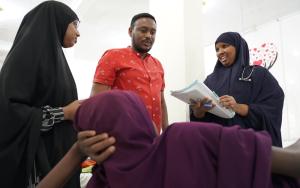
Women's health
From silence to healing: New fistula care in Baidoa offers hope for Somali women
Obstetric fistula develops when prolonged, difficult labour cuts off blood flow to the tissue between the birth canal and the rectum, creating a hole that causes continuous leakage. Article - 12 Nov 2025
Gaza - Israel War
"One month into a fragile ceasefire that has taken effect in the Gaza Strip, Palestinians continue to face tremendous hardship"
One month into this fragile ceasefire, the situation in Gaza remains desperate. Palestinians are still being killed and injured by Israeli forces almost every day in the areas close to the yellow line, behind which Israel maintains control. Article - 11 Nov 2025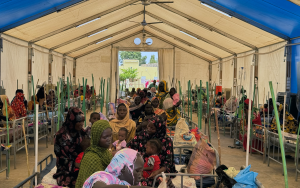
Malnutrition
People facing extreme malnutrition in Sudan’s protracted crisis
Displacement, either for people moving within Sudan or from other countries, also plays a significant role in driving malnutrition. In Blue Nile State, eastern Sudan, the arrival of Sudanese returnees from South Sudan since June has pushed fragile resources to their limits. Thousands of families live in makeshift camps with little access to clean water, food or hygiene services, leading to an ongoing outbreak of cholera and a surge of preventable deaths among children. Between July and September, MSF treated 1,950 severely malnourished children at the Damazin teaching hospital; 100 children died, many from combined cholera and acute malnutrition Article - 11 Nov 2025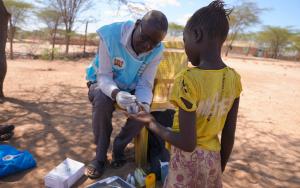
Malaria
Test and treat approach: How communities lead in malaria treatment
Since mid-September, MSF emergency team has been in Turkana responding to a surge in malaria cases in Turkwell, Naipa and Kotaruk areas. Many people in these communities face challenges getting medical care in time. Article - 10 Nov 2025
Women's health