
Médecins Sans Frontières/ Doctors Without Borders (MSF)
About Us
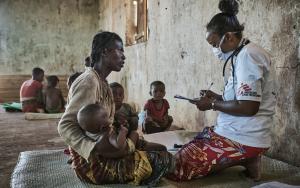
MSF is a global network of principled medical and other professionals working in teams, small and large, to respond to the medical needs of people affected by conflict, disasters and epidemics and those excluded from healthcare.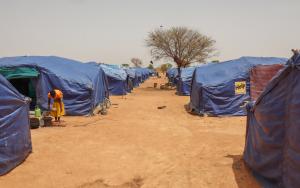
Access to Healthcare
Burkina Faso: Living conditions worsen for displaced people as violence escalates and rainy season begins
The number of displaced people seeking safety in Burkina Faso’s Centre-North region has almost doubled in six months to 386,000 as a result of growing insecurity and violence. Many have no option but to stay in improvised shelters in remote areas, without basic services and exposed to the elements. Crisis Update - 16 Jul 2020
Access to Healthcare
Yemen: As COVID-19 spreads, fear drives people away from hospital
Many Yemenis are not seeking medical care in hospitals due to fear of contracting the virus, of stigmatization by the community or because of rumours circulating around the quality of care and protocols implemented in COVID-19 centers. Project Update - 13 Jul 2020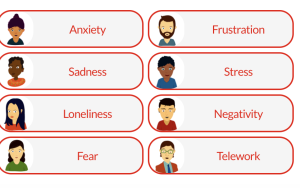
COVID-19 Coronavirus
More than 8,313 people access online mental health support tool in the past month
MSF's online mental health support tool helps people to deal with their emotions during the COVID-19 pandemic. Press Release - 13 Jul 2020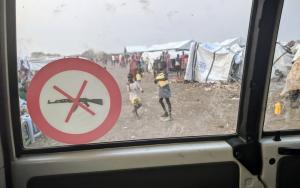
Doctors without Borders condemns the killing of a community health worker in South-West Cameroon
We are shocked and deeply saddened by the news of the killing of a community health worker who was supported by our organization in South-West Cameroon. Press Release - 13 Jul 2020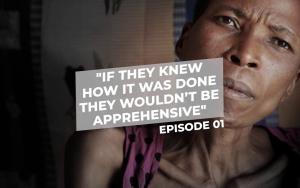
Access to Healthcare
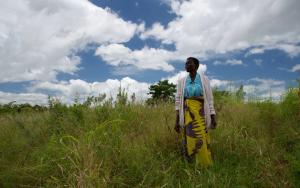
A silent woman-killer in Malawi
Cervical cancer kills over 2,300 women in Malawi every year, or two thirds of those who become infected with it, despite it being an easily preventable disease. This grim reality is the result of issues with vaccination and screening, as well as limitations in the offer of treatment. Since 2018, MSF has been working to fill the gap in Blantyre district, where the disease is particularly common. Project Update - 10 Jul 2020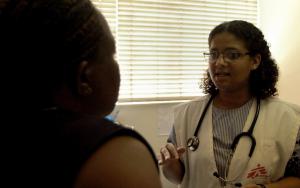
COVID-19 Coronavirus
South Africa: Supporting mental health during a pandemic
“It’s not like a broken leg that you can see and the world responds appropriately. A broken mind or soul is hard to identify” – Leigh-Anne Snyman, nurse specialising in patient support, Doctors Without Borders (MSF) Project Update - 8 Jul 2020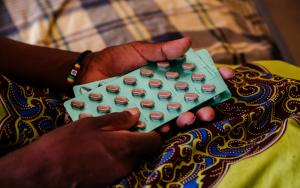
COVID-19 Coronavirus