Access to medicines
Ahead of Gavi Board meeting, MSF calls on Gavi to revise its global mechanism and demand pharma sell all COVID-19 vaccines at cost
The public pays for the development of COVID-19 vaccines through their taxes, so they deserve transparency on public money that is handed over to pharmaceutical corporations. Press Release - 23 Jun 2020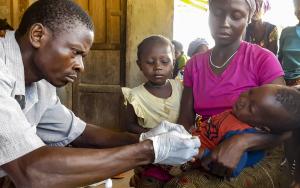
Access to Healthcare
Responding to COVID-19 must not come at the expense of malaria activities, otherwise children may pay the price
The COVID-19 pandemic is a global tragedy but the consequences for children could be terrible if resources are diverted from malaria prevention and treatment Stories from the Frontline - 22 Jun 2020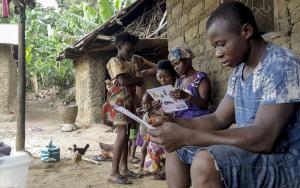
Access to Healthcare
Misinformation and COVID-19: ‘If there is a false rumour then there may be a sick child suffering in a village’
MSF is extremely concerned about indirect consequences of the COVID-19 pandemic and its potentially devastating effects on child health; we cannot allow this pandemic to rob the next generation of their future. Project Update - 19 Jun 2020
Refugees, Migration and displacement
Stories from the Frontline - 18 Jun 2020
"No one chooses to be a refugee"
Barthelemy is a Burundian refugee and staff member with Médecins Sans Frontières/Doctors Without Borders (MSF) in Nduta camp, northwestern Tanzania, where MSF is the sole healthcare provider for 75,000 refugees. As a refugee himself, Barthelemy embarked on an extraordinary journey to reach safety and begin a new life with his family in Tanzania. This is his story…Stories from the Frontline - 18 Jun 2020
Access to Healthcare
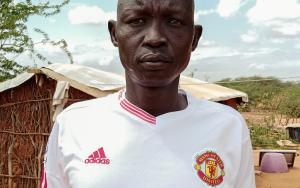
"I would never wish to go back"
ZACHARIA MATICHIANG MAET – 35 YEARS OLD Stories from the Frontline - 18 Jun 2020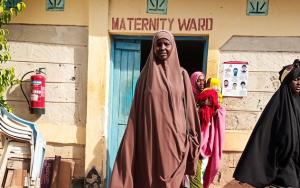
Access to Healthcare
"How can you stay in a country for three decades but not know where you belong?"
FOWZIA MOHAMED ABDULE Stories from the Frontline - 18 Jun 2020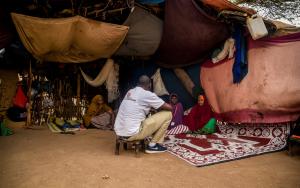
Access to Healthcare
Project Update - 18 Jun 2020
Maintaining health services for Dadaab refugees while responding to COVID-19
With a further tightening of mobility restrictions, humanitarian services remain a crucial lifeline and the only means to access food and health for many refugees. For MSF, the key priority has been to ensure that healthcare services in the camp are not disrupted, and that refugees continue to access medical services in a safe environment.Project Update - 18 Jun 2020
COVID-19 Coronavirus
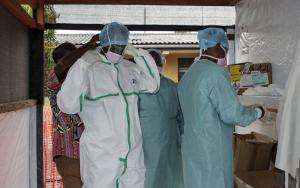
Democratic Republic of Congo: Addressing the double burden of COVID-19 in Kinshasa
In just three months, Democratic Republic of Congo (DRC) passed the threshold of 4,500 confirmed COVID-19 cases. While 11 of the country's provinces are affected, its capital, Kinshasa, accounts for 90 per cent of cases. Crisis Update - 15 Jun 2020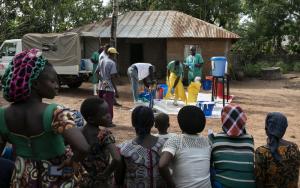
Lassa Fever
Lassa fever: the end of an emergency in 2020
Lassa is an extremely dangerous viral hemorrhagic fever that is endemic to a number of west African countries, including Nigeria. This year has been Nigeria’s largest outbreak to date. Project Update - 15 Jun 2020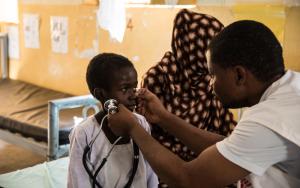
Access to Healthcare