Paediatric Health
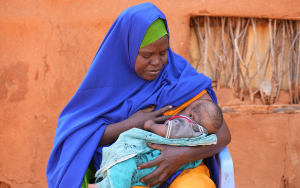
World Breastfeeding Week – Five questions with Abdille
Abdille Abdi Maalim, nutrition supervisor at MSF’s Dagahaley project in Dadaab Camp, has been a male breastfeeding champion for over a decade. As part of the World Breastfeeding Week, Abdille shares the purpose of this role and his commitment to support refugee mothers living in Dagahaley, one of the camps forming the Dadaab Camp complex hosting over 400, 000 refugees in Kenya. Article - 6 Aug 2025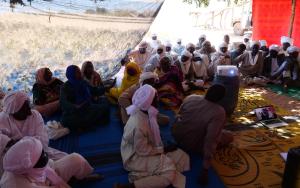
Access to Healthcare
Redefining healthcare: when communities lead the way in MSF’s project in Chad
Article - 6 Aug 2025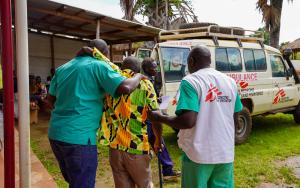
Attacks on medical care
South Sudan: MSF suspends medical activities in Yei and Morobo counties following abduction of staff amid rising insecurity
This abduction is part of a disturbing trend of targeted violence on healthcare and aid workers in these counties. In just three months, several incidents of violence targeting aid workers and healthcare facilities have been reported in Morobo, including forceful abductions, arson, violent looting of hospitals, and damage to medical infrastructure. Seven of these incidents involved the abduction of aid workers. Press Release - 5 Aug 2025
Sexual and Gender Based Violence
Understanding SGBV: What It Is and why It matters to you
Many young people experience or witness violence in silence often unsure of what it is or whether it “counts.” Talking about Sexual and Gender-Based Violence (SGBV) is not easy, but it’s an important step toward protecting yourself and others. Knowledge is power and safety. Article - 4 Aug 2025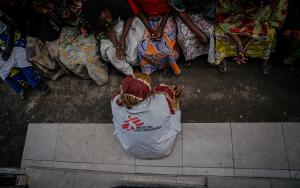
Sexual Violence
Surviving sexual violence in Eastern DRC,for Congolese women in Goma, nowhere is safe
MSF teams continue to record alarming levels of sexual violence cases. Between January and April, more than 7,400 survivors of sexual violence received treatment at Ministry of Health facilities supported by MSF in Goma. West of the city, in Saké, an additional 2,400 survivors were treated during the same period. Article - 30 Jul 2025
Attacks on medical care
SOUTH SUDAN: MSF Condemns Abduction of Health Ministry Staff in Morobo County, and Urges for Immediate Protection of Healthcare Workers
Article - 27 Jul 2025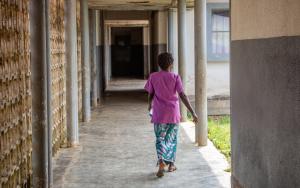
Access to Healthcare
DRC: As crisis deepens in Walikale, MSF is the only international organisation responding to growing needs
MSF supports the Walikale General Reference Hospital and a network of seven smaller health centers, with a focus on nutrition, pediatric, and pre-natal care. The organization also operates a clinic for survivors of sexual violence, which includes mental health services, and has established vital water, sanitation, and hygiene (WASH) initiatives to help prevent outbreaks of diseases such as cholera Article - 24 Jul 2025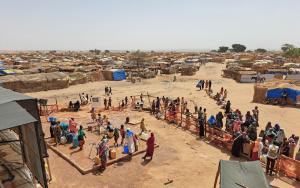
Water and sanitation
Chad: Water crisis intensifies amid soaring temperatures and shrinking funds
complex. Few humanitarian organizations have the resources to respond, and recent funding cuts are further eroding their capacity. Article - 24 Jul 2025
HIV/AIDS
HIV vs AIDS: What’s the Real Difference?
Many people use HIV and AIDS like they mean the same thing, but they don’t. Knowing the difference can help you take better care of your health and fight the stigma that still exists around these terms. Article - 23 Jul 2025
HIV/AIDS